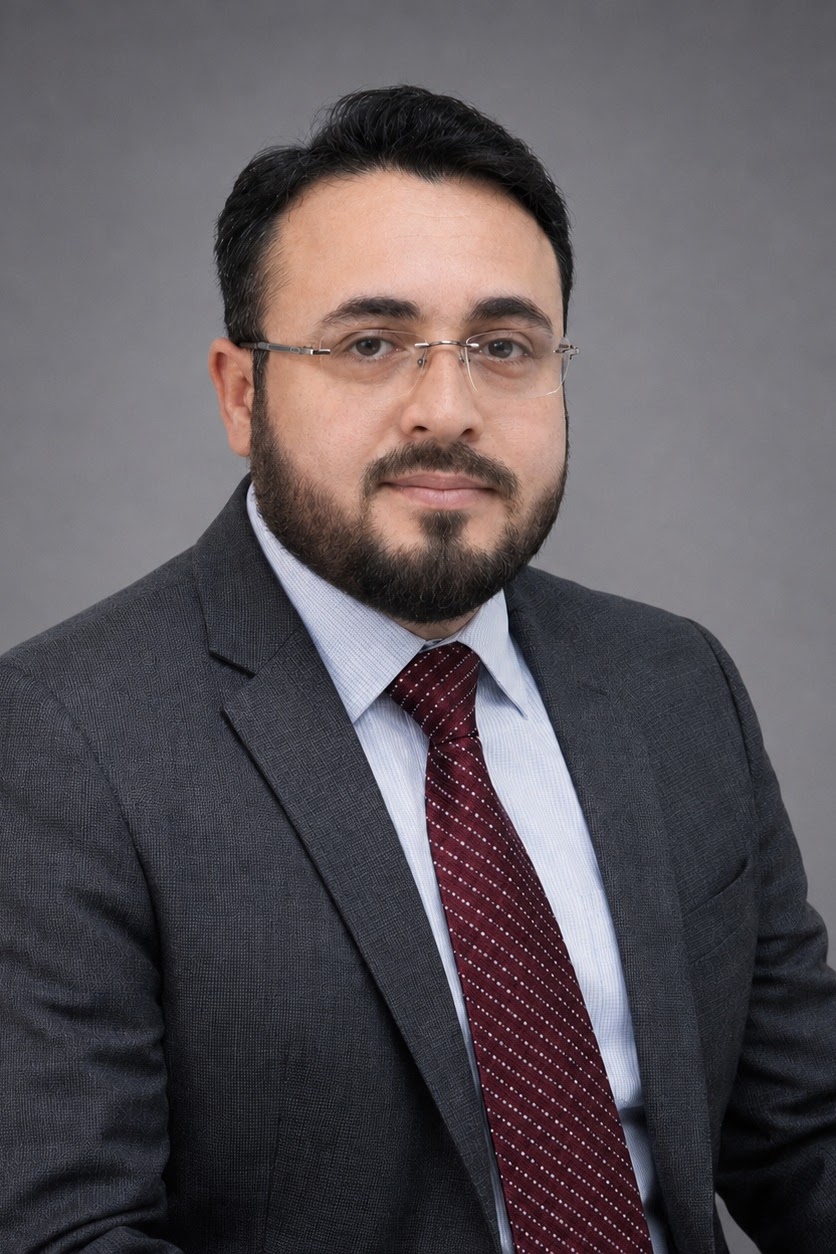
Driving innovation in Design and Additive Manufacturing
Professor of Design and Additive Manufacturing (AM)
Head of AMRIC
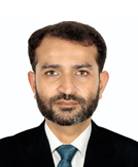
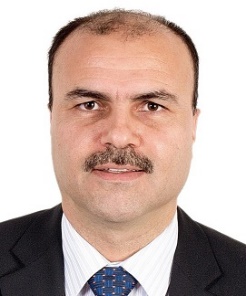
Dr. Mushtaq Khan is a Full Professor within the Department of Mechanical Engineering at PMU. He is specialized in Additive Manufacturing (AM) technologies. He earned his PhD from Loughborough University, UK, where he conducted pioneering research by achieving the first successful qualification of pure Gold (Au), processed via Selective Laser Melting (SLM) for dental applications. Dr. Khan was also awarded the prestigious Marie Curie Experienced Research Fellowship at the University of Manchester, UK, where he worked on Direct Energy Deposition (DED) laser cladding process. He brings over 16 years of extensive experience in research and development (R&D) and academic teaching, contributing to advancements in engineering research, innovation, and education.
Dr Khan is Chartered Engineer (CEng) and Member Institute of Mechanical Engineers (MIMechE) UK. He is a member of the American Society for Testing and Materials (ASTM) committee F42 on the development of standards for Additive Manufacturing (AM). Dr Khan is also a Fellow of the Higher Education Academy (FHEA) UK.
Dr. Khan's research focuses on advanced manufacturing and additive manufacturing (AM), including material qualification, process optimization, Artificial Intelligence (AI) and Machine Learning (ML) applications in AM, sustainable manufacturing, functionally graded materials, laser-assisted manufacturing, and simulation of manufacturing processes. Dr. Khan has authored more than 75 peer-reviewed publications in leading international journals and a total of 13 US patents, with seven US patents related to DED AM technologies.
As Head of AMRIC, Dr. Khan leads the center's strategic initiatives, research activities, industry engagement, and capacity-building programs to advance additive manufacturing research, innovation, and industrial qualification.
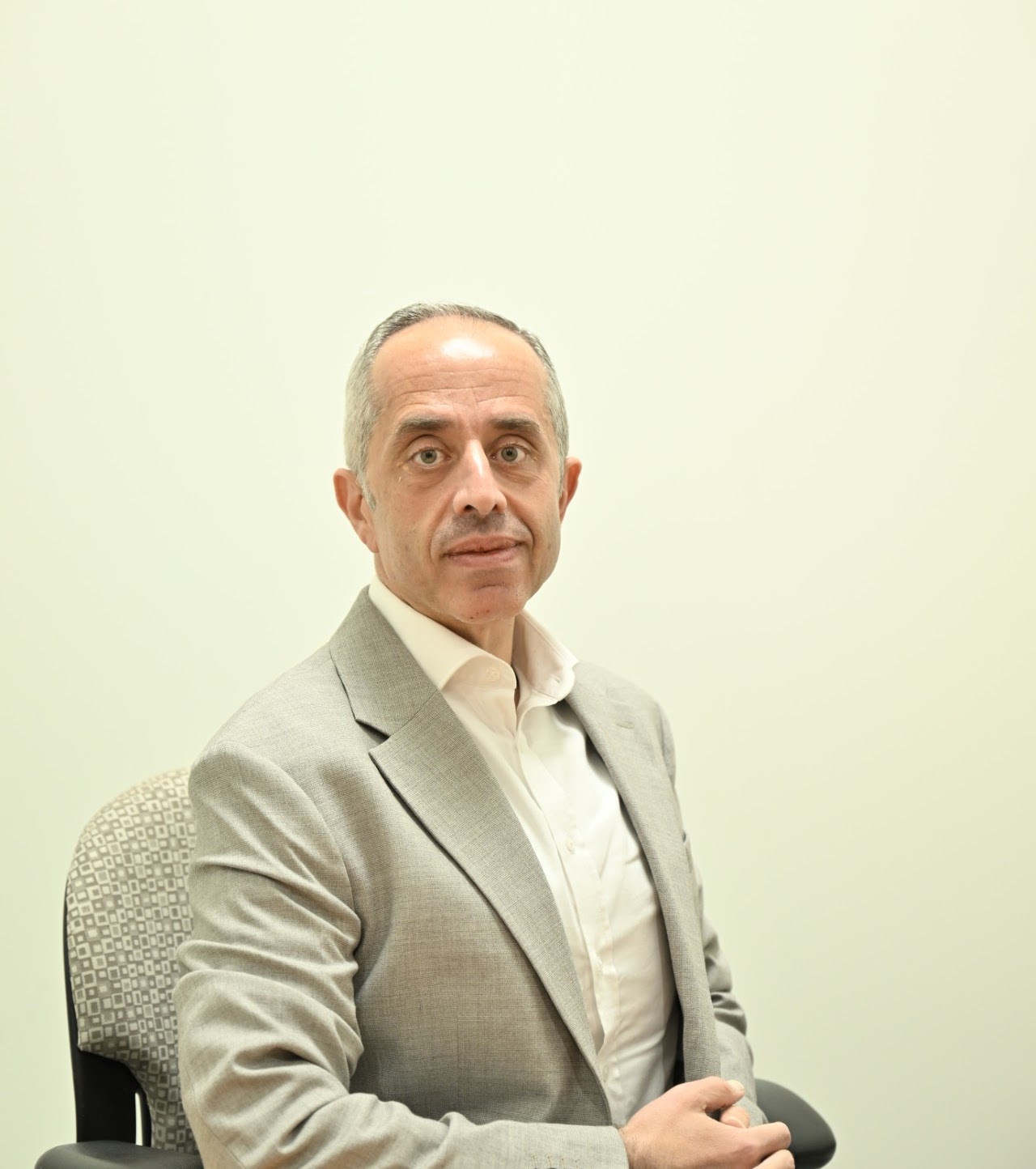
Associate Professor
Design, materials and AM
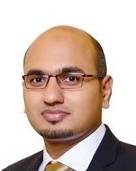
Dr Ahmad Baroutaji is an active researcher in engineering design and Additive Manufacturing (AM). His research activities contributed significantly to the fields of metal AM, metamaterials, and solid mechanics. His research was pivotal in extending the envelope of AM beyond traditional AM metals, such as steel, titanium, and aluminium, by developing and printing novel alloys from highly reflective hard-to-print metals, such as copper and silver, for thermal management and electrical machines applications. Dr Ahmad's current research focuses on sustainable design and additive manufacturing of advanced functional materials for net-zero technologies, biomedical implants, and crashworthiness applications.
Associate Professor
Hybrid Machining and AM
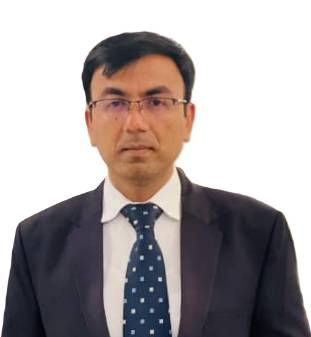
Dr. Muhammad Asad has extensive research experience in advanced manufacturing processes, with a particular focus on subtractive and additive manufacturing technologies. His research involves machining process modeling and simulation, finite element analysis (FEA), materials behavior characterization, and optimization of manufacturing parameters. He has contributed to the development and analysis of sustainable machining approaches, micro-machining techniques, and advanced materials processing. His work also extends to additive manufacturing, including process optimization, material performance evaluation, and the integration of modern manufacturing technologies for aerospace and engineering applications.
Associate Professor
Friction Stir Welding and AM
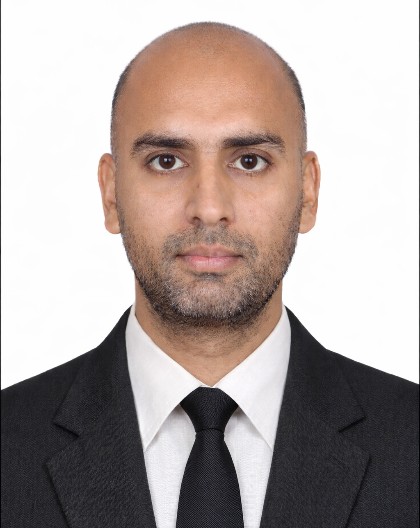
Dr. B. Ratna Sunil earned his PhD in Materials and has more than 15 years of experience in the fields of materials characterization and manufacturing processes. He is expert in XRD, electron microscopy, assessing mechanical properties, corrosion properties, surface characterization techniques. Sunil has been listed in world top 2% scientists from 2020 to 2025. Dr. Sunil has published more than 170 SCI/SCOPUS papers in international peer-reviewed journals and authored a book. He received several awards and recognitions and an Associate Fellow (elected, 2017) of Andhra Pradesh Akademy of Sciences, India. His research areas include developing medical implants, solid state joining processes, surface engineering of metals and alloys, nanostructured materials and Additive Manufacturing.
Associate Professor
Casting and AM
Dr. Muhammad Azhar Ali Khan is an accomplished researcher in advanced manufacturing, with expertise spanning AM, subtractive machining, metal casting simulations, and finite element analysis. His research contributions include pioneering work in Wire Arc Additive Manufacturing (WAAM), hybrid manufacturing systems, process optimization, and reliability assessment of engineered components. He has authored numerous high-impact journal and conference publications and holds multiple international patents in manufacturing technologies, cutting tools, compliant mechanisms, and sustainable engineering solutions. His work integrates computational modeling, experimental validation, and innovative product development.
Associate Professor
Hybrid Subtractive and AM
Dr. Jamil, Associate Professor at Prince Mohammad Bin Fahd University PMU, specialized in subtractive and Additive Manufacturing (AM), with a focus on precision machining, CNC processes, and advanced 3D printing technologies. His research explores material behavior, process optimization, and hybrid manufacturing to improve part quality and production efficiency. He bridges industry applications with academic research, mentoring students on design, toolpath strategies, and sustainable manufacturing practices. At AMRIC, he contributes expertise in developing cost-effective, high-accuracy fabrication solutions for complex additive manufacturing components.
Associate Professor
Wire Arc Additive Manufacturing (WAAM) / Metal Welding
Dr. Din Bandhu has over 12 years of experience in academia and research. Dr. Din Bandhu obtained his PhD from IITRAM Ahmedabad, India, with a thesis titled “Experimental Investigation and Parametric Optimization of Regulated Metal Deposition Welding for Low Alloy Steel.” His research expertise spans process–structure–property relationships, welding and machining performance optimization, Taguchi-based analysis, Wire Arc Additive Manufacturing (WAAM), composite materials, mechanical characterization, and AI/ML applications in manufacturing. He has been ranked among the World’s Top 2% Scientists and has authored over 100 peer-reviewed articles, reflecting his sustained contribution to materials and manufacturing research integrating optimization and AI/ML.
Associate Professor
Dr. Mezghani earned his BS, MS, and PhD degrees in Polymer Engineering from the University of Tennessee, USA. With over 26 years of teaching and research experience, he has extensive expertise in polymers, composites, materials processing, and structure–property relationships, directly relevant to the research activities of the Additive Manufacturing Research & Innovation Center. His research focuses on the development and processing of polymeric and composite materials, with particular emphasis on the influence of material structure and processing conditions on properties and performance. He has secured and led externally funded research projects supported by KACST, NSTP, SABIC, and Saudi Aramco.
Expertise: Hybrid Subtractive – AM Research
Mr. Abdul Aziz Afzal is a mechanical engineer and academic specializing in sustainable manufacturing, additive manufacturing, and life cycle assessment of advanced processes. His work integrates experimental testing, CAD/CAE, and AI-enabled LCA to optimize 3D printed and architected materials for high performance and reduced environmental footprint.
Expertise: Polymer and Composite Processing
Dr. Khalid Aldhahri is an Assistant Professor in the Department of Chemical Engineering. He has extensive academic and industrial experience in Polymer Matrix Composites (PMCs), advanced composite manufacturing, composite process modeling, and high-temperature Additive Manufacturing of polymers. He received his Ph.D. in Materials Engineering from the University of Dayton, and completed his postdoctoral research at the Center for Composite Materials (CCM) at the University of Delaware, USA, contributing to U.S. government-funded research projects. He has also worked as a Visiting Research Scientist at Wright State University, USA. Previously, he worked as an Aerospace and Defense Engineer, contributing to the development and manufacturing of composite structures for various aircraft platforms, including advanced air mobility and electric vertical takeoff and landing (eVTOL) aircraft. His research focuses on advanced materials, innovative manufacturing technologies, and process optimization. He has received several academic and research awards, including the outstanding Ph.D. Research Award from the University of Dayton, and has presented his research at several international conferences.
Expertise: Civil Engineering / Concrete 3D Printing
Dr. Danish Ahmed is a Civil Engineer academic and researcher with expertise spanning structural and geotechnical domains. His research focuses on advanced construction materials, Finite Element (FE) modeling and simulation, and data-driven prediction of material and foundation performance. His research is focused on the structural and geotechnical behavior of reinforced concrete members, retrofitted beam-column joints, and combined stone column-piled raft foundations in soft clay. He is actively involved in Machine Learning (ML) and Artificial Neural Networks (ANN), applying them to predict the performance of sustainable concrete, including natural fiber concrete such as jute fiber concrete, as well as reactive powder concrete and soil bearing capacity. His current interests extend to digital fabrication, with a focus on 3D concrete printing and concrete mix design, supported by the AMRIC facilities at PMU. He has actively published in peer-reviewed journals and international conferences, and his work includes granted U.S. patents on foundation systems for collapsible soils.
PhD Scholar
Wire Arc Additive Manufacturing (WAAM) process enhancement to Design and Manufacture components for Aerospace and Oil & Gas Industrial Applications
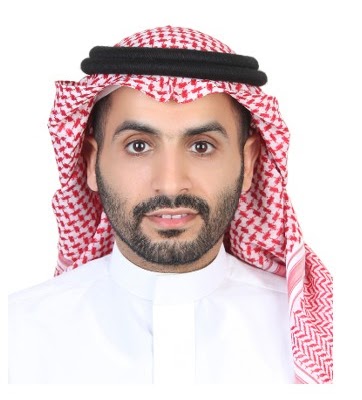
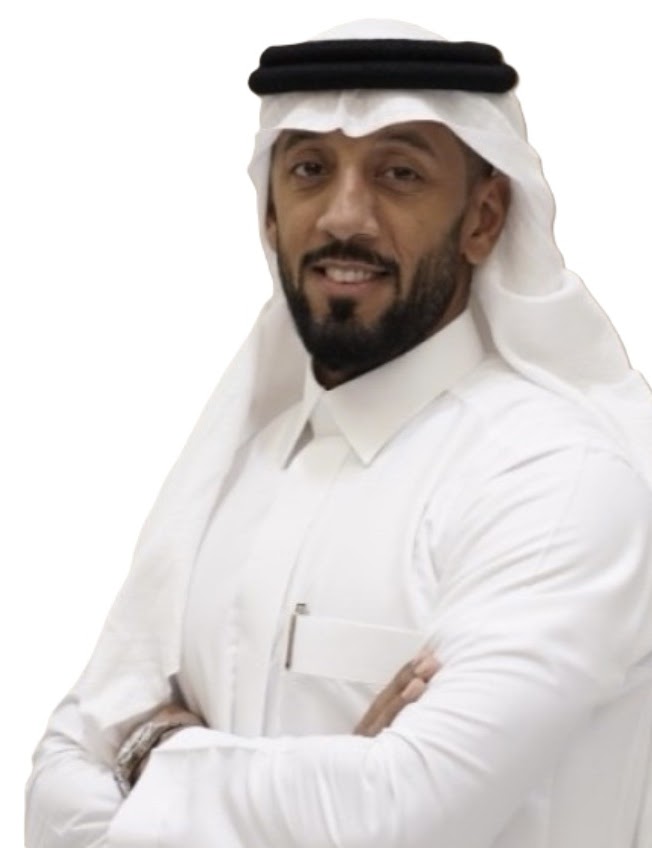
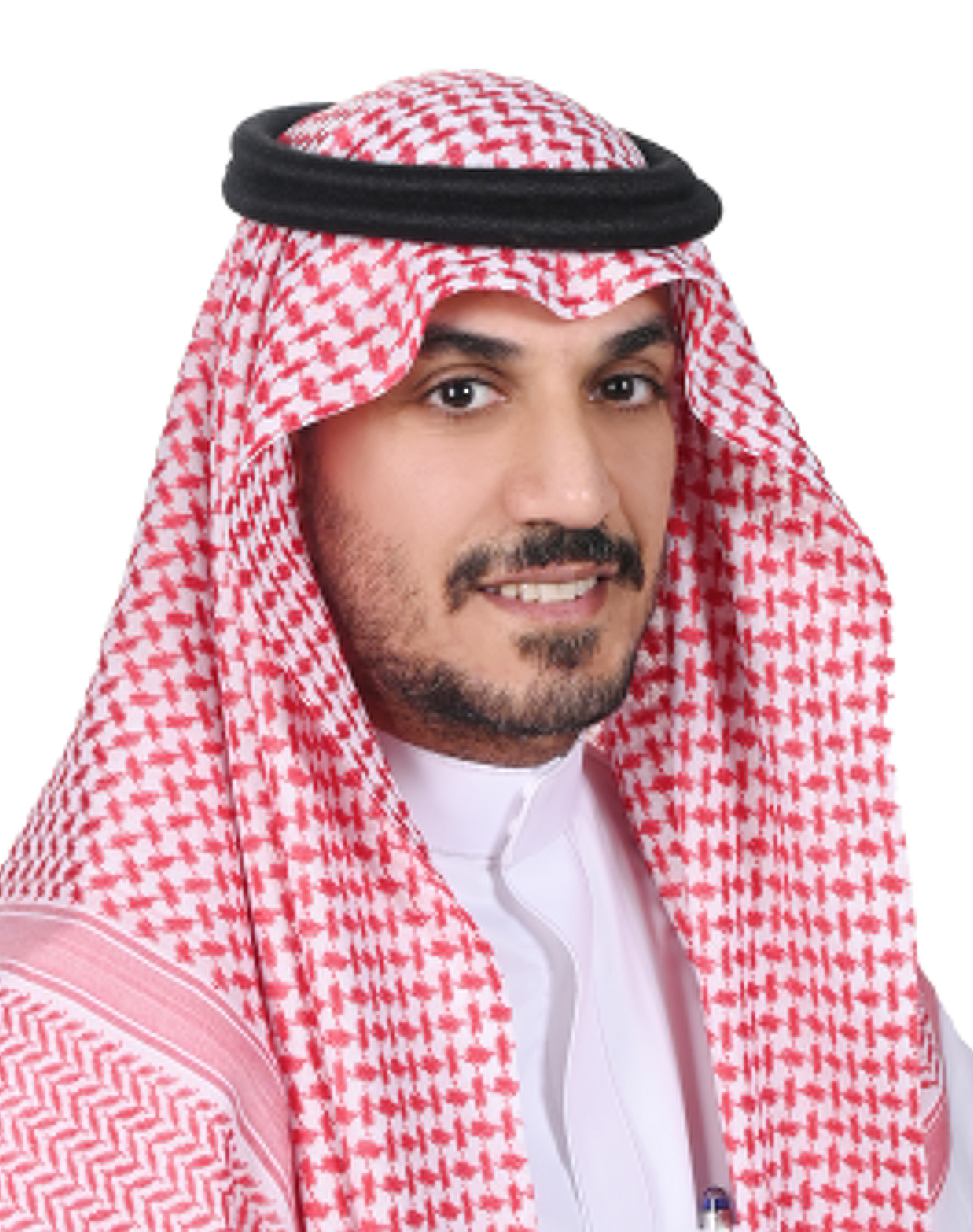
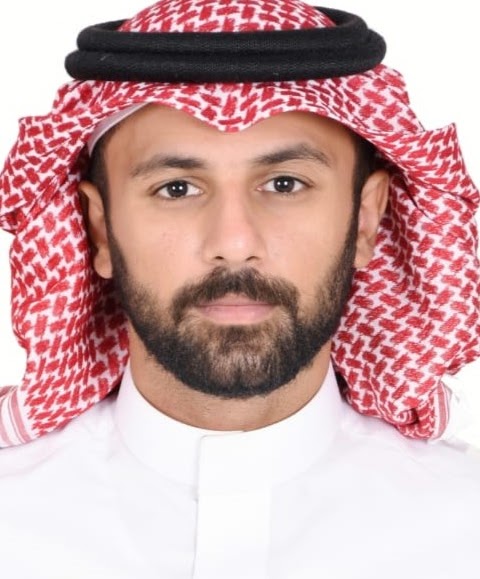
Wire Arc Additive Manufacturing (WAAM) is one of the AM technologies capable of producing large-scale metal 3D-printed products. However, WAAM is a complex process where numerous manufacturing parameters influence the quality of the final product due to the development of residual stress during manufacturing. Mr Meshal's research will focus on understanding and analyzing the WAAM process parameters for materials such as titanium and other super alloys. The study aimed to enhance the manufactured product's mechanical and microstructural performance to develop products suitable for industrial applications in the aerospace and oil and gas industries .
PhD Scholar
Microstructural Control and Mechanical Enhancement of Superalloys during Wire Arc Additive Manufacturing (WAAM)
Wire Arc Additive Manufacturing (WAAM) represents a transformative technology in the field of 3D metal printing, offering high deposition rates and cost-effective production of large-scale components. Mr Yassar's research focuses on advancing WAAM processes through the optimization of process parameters, microstructural control, and defect minimization to enhance the mechanical and corrosion properties of fabricated parts. This work aims to address key challenges in WAAM, including residual stress management, surface quality improvement, and multi-material deposition strategies, with a particular emphasis on applications critical to the oil and gas, aerospace, and energy sectors.
PhD Scholar
Microstructural and Mechanical Enhancement of Superalloys during Wire Arc Additive Manufacturing (WAAM)
Mr Mohammad's research focuses on advancing the capabilities of metal Additive Manufacturing (AM), specifically investigating the Laser Powder Bed Fusion (LPBF) processing of high-performance superalloys. The primary objective of my work is to establish systematic relationships between critical process parameters, such as laser power, scanning speed, volumetric energy density, and hatch spacing, and the resulting microstructural evolution of the printed components. By analyzing solidification behavior, grain morphology, and phase distributions, the research aims to minimize defects, optimize material density, and map out tailored processing windows that unlock the superior mechanical performance.
MS Scholar
Wire Arc Additive Manufacturing (WAAM) of Nickel Based Super Alloys
Focused on pushing the boundaries of extreme-environment engineering, Mr Abduljabbar investigates Wire Arc Additive Manufacturing (WAAM) of Nickel-based superalloys. Their research centers on controlling microstructural evolution, suppressing solidification defects, and optimizing deposition strategies during the layer-by-layer fabrication of high-temperature metallic components. This work aims to deliver cost-effective, large-scale additive manufacturing solutions tailored for the demanding performance requirements of the aerospace, marine, and energy sectors.
MS Scholar
Sustainable Wire Arc Additive Manufacturing (WAAM) of AISI 316L
Focused on bridging the gap between heavy industrial production and environmental responsibility, Mr Khalid investigates the Sustainable Wire Arc Additive Manufacturing (WAAM) of 316L Stainless Steel. Their research aims to optimize energy efficiency and material utilization during the layer-by-layer deposition of corrosion-resistant components, paving the way for greener, cost-effective additive manufacturing workflows in aerospace, marine, and automotive applications.
MS Scholar
Design, Development and Testing of Temperature Control Setup for Wire Arc Additive Manufacturing (WAAM)
Mr Mohammad is a researcher specializing in advanced process automation and system integration. His work centers on the development, system integration, and experimental testing of a dedicated temperature control system for the WAAM process. By implementing closed-loop control and integrating thermal sensors into the substrate, Mr Mohammad's research addresses critical industry challenges regarding thermal accumulation, residual stress management, and geometric accuracy during continuous deposition. This work aims to establish robust, smart monitoring frameworks that ensure consistent microstructural quality and part repeatability in large-scale WAAM.
Mr Stephen coordinates day-to-day technical operations and provides hands-on engineering support for advanced machining and Additive Manufacturing (AM) at AMRIC. He combines mechanical workshop expertise, machine tool operations, and engineering design with specialized skills in electronics prototyping, PCB layout, and Arduino/LabVIEW programming. Drawing from an extensive background managing instructional engineering labs and assisting institutional R&D frameworks at the Technological Institute of the Philippines (T.I.P.), Mr Stephen maintains core fabrication machinery, ensures experimental sessions run smoothly, and delivers vital technical assistance to faculty and students.