Additive Manufacturing Research & Innovation Center (AMRIC)

Driving innovation in Design and Additive Manufacturing

Head of AMRIC

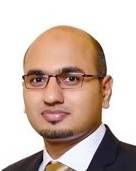
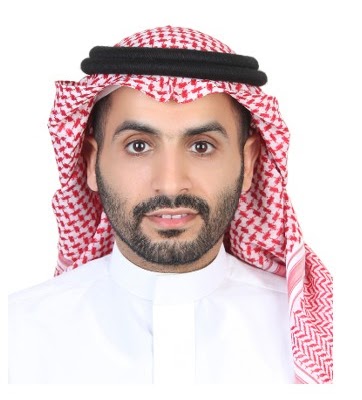
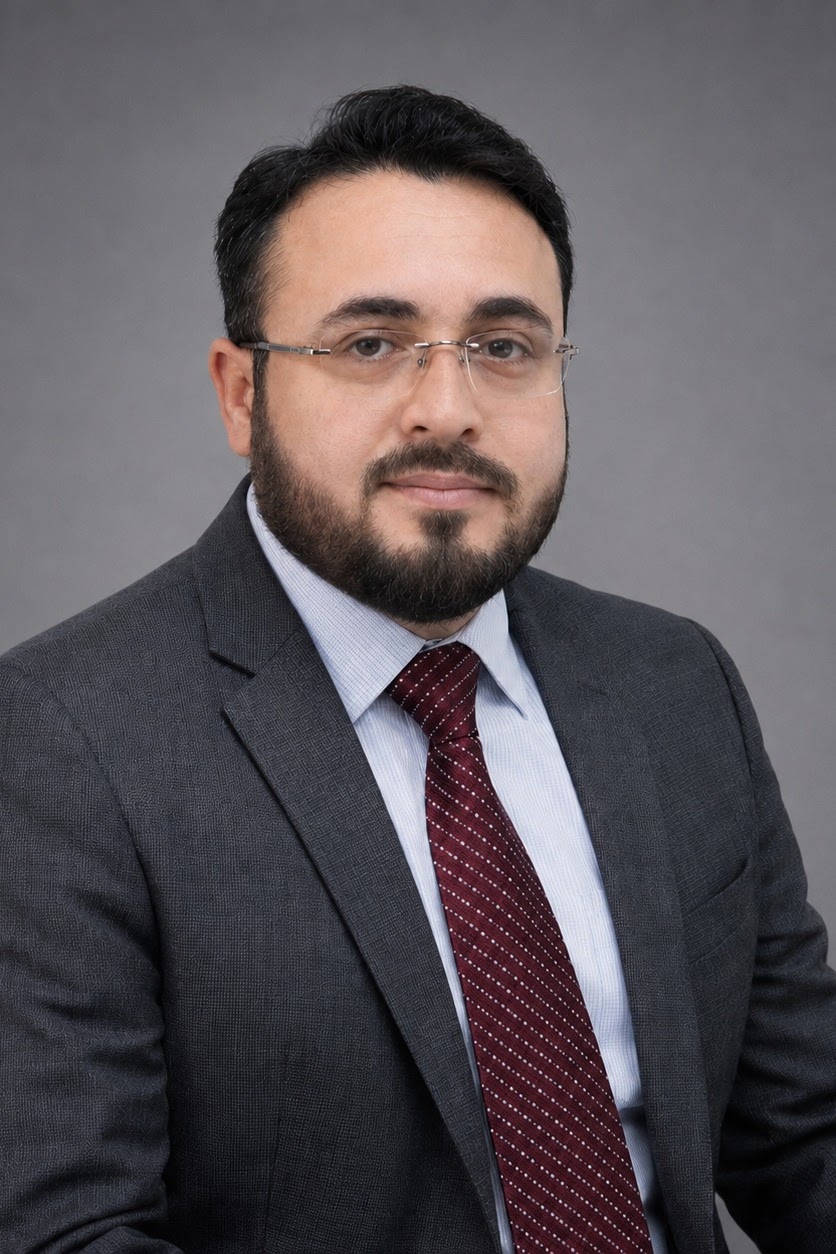
Dr. Mushtaq Khan

Dr. Mushtaq Khan

Professor of Design and Additive Manufacturing (AM)

Head of AMRIC

Dr. Mushtaq Khan is a Full Professor within the Department of Mechanical Engineering at PMU. He is specialized in Additive Manufacturing (AM) technologies. He earned his PhD from Loughborough University, UK, where he conducted pioneering research by achieving the first successful qualification of pure Gold (Au), processed via Selective Laser Melting (SLM) for dental applications. Dr. Khan was also awarded the prestigious Marie Curie Experienced Research Fellowship at the University of Manchester, UK, where he worked on Direct Energy Deposition (DED) laser cladding process. He brings over 16 years of extensive experience in research and development (R&D) and academic teaching, contributing to advancements in engineering research, innovation, and education.

Dr Khan is Chartered Engineer (CEng) and Member Institute of Mechanical Engineers (MIMechE) UK. He is a member of the American Society for Testing and Materials (ASTM) committee F42 on the development of standards for Additive Manufacturing (AM). Dr Khan is also a Fellow of the Higher Education Academy (FHEA) UK.

Dr. Khan's research focuses on advanced manufacturing and additive manufacturing (AM), including material qualification, process optimization, Artificial Intelligence (AI) and Machine Learning (ML) applications in AM, sustainable manufacturing, functionally graded materials, laser-assisted manufacturing, and simulation of manufacturing processes. Dr. Khan has authored more than 75 peer-reviewed publications in leading international journals and a total of 13 US patents, with seven US patents related to DED AM technologies.

As Head of AMRIC, Dr. Khan leads the center's strategic initiatives, research activities, industry engagement, and capacity-building programs to advance additive manufacturing research, innovation, and industrial qualification.
Team Members

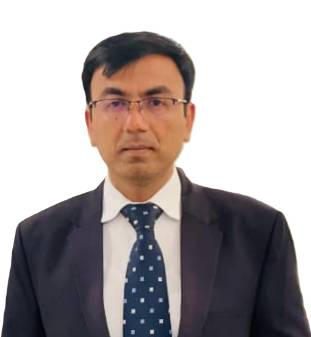
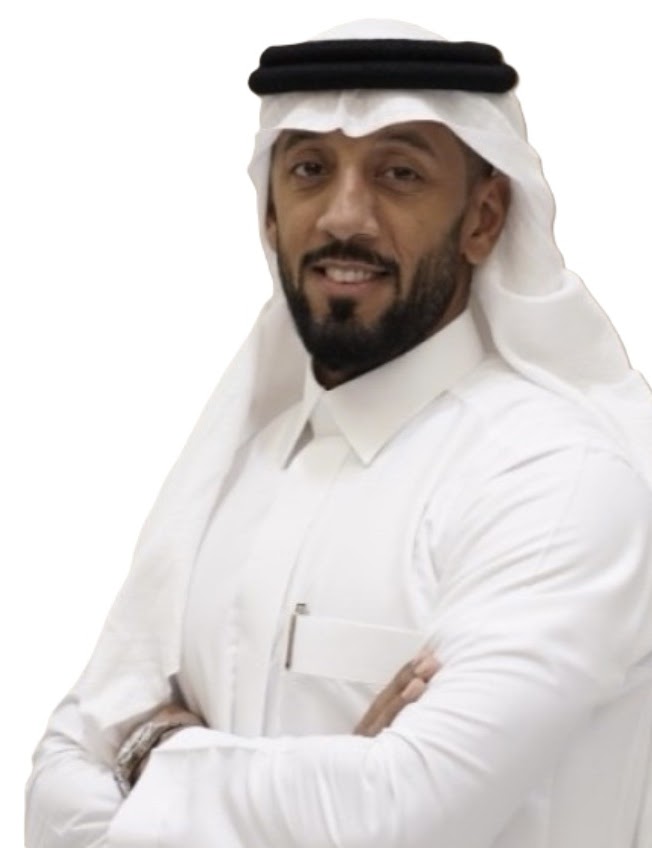
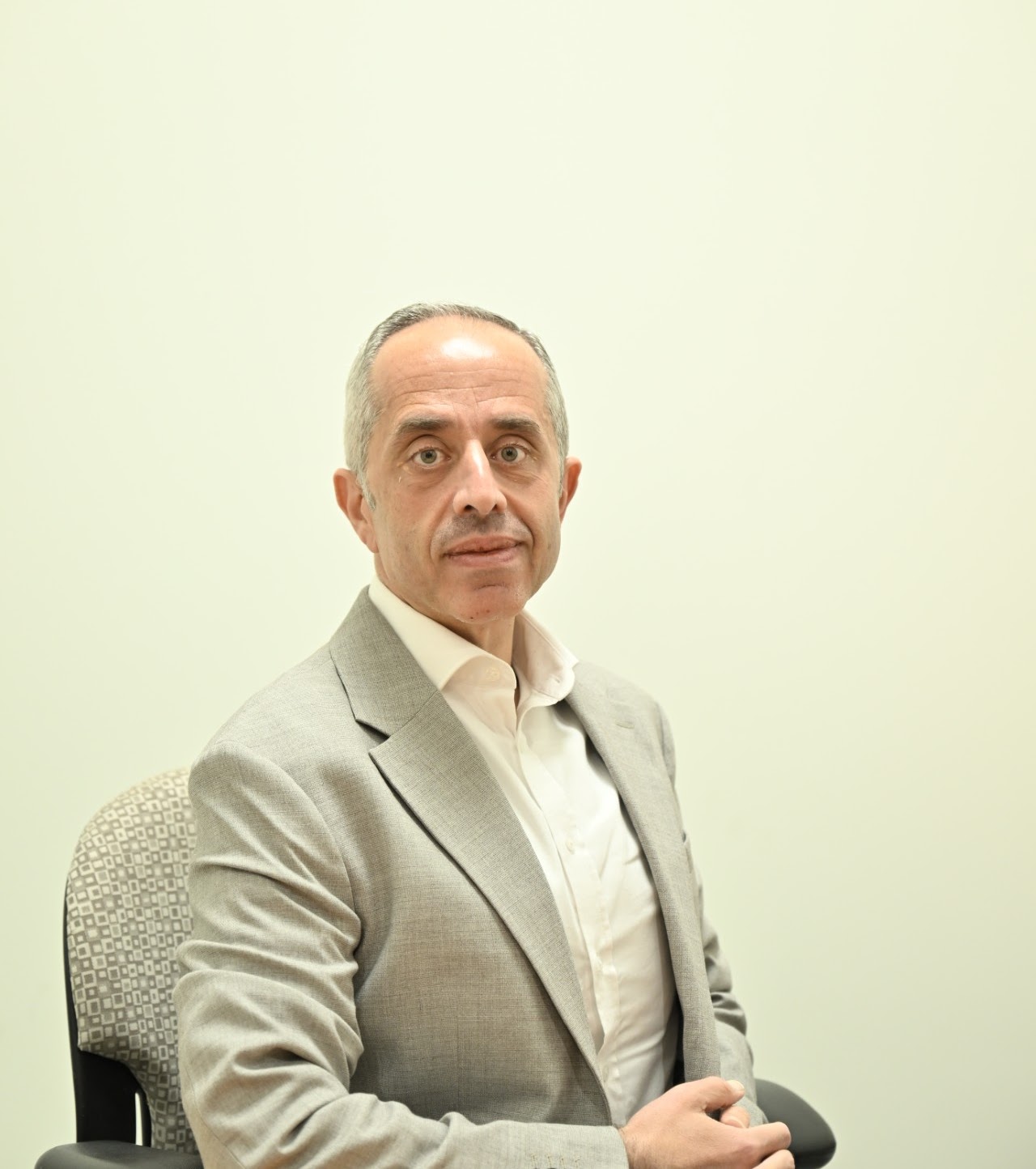
Dr. Ahmad Baroutaji

Dr. Ahmad Baroutaji

Associate Professor

Design, materials and AM

Dr Ahmad Baroutaji is an active researcher in engineering design and Additive Manufacturing (AM). His research activities contributed significantly to the fields of metal AM, metamaterials, and solid mechanics. His research was pivotal in extending the envelope of AM beyond traditional AM metals, such as steel, titanium, and aluminium, by developing and printing novel alloys from highly reflective hard-to-print metals, such as copper and silver, for thermal management and electrical machines applications. Dr Ahmad's current research focuses on sustainable design and additive manufacturing of advanced functional materials for net-zero technologies, biomedical implants, and crashworthiness applications.

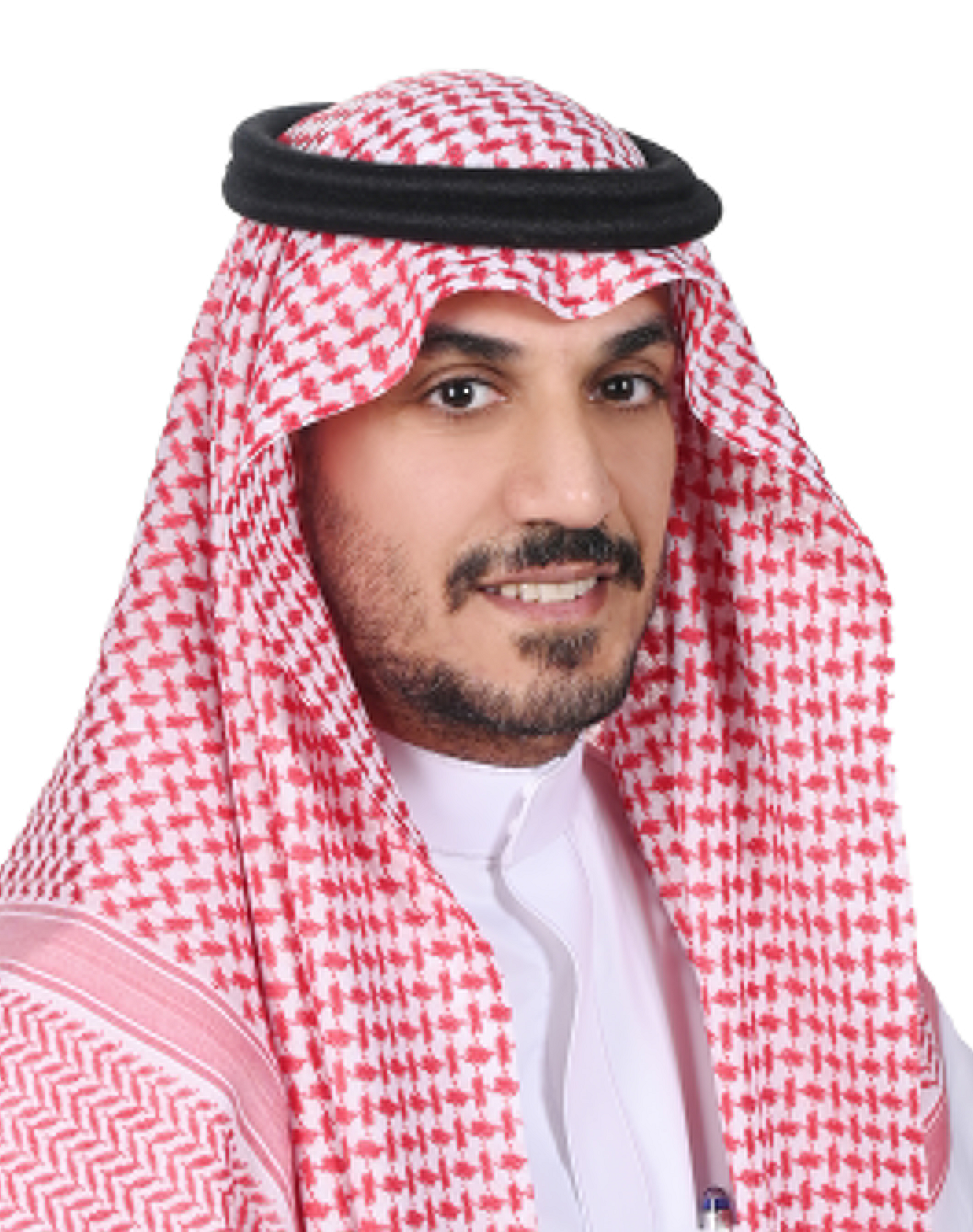
Dr. Muhammad Asad

Dr. Muhammad Asad

Associate Professor

Hybrid Machining and AM

Dr. Muhammad Asad has extensive research experience in advanced manufacturing processes, with a particular focus on subtractive and additive manufacturing technologies. His research involves machining process modeling and simulation, finite element analysis (FEA), materials behavior characterization, and optimization of manufacturing parameters. He has contributed to the development and analysis of sustainable machining approaches, micro-machining techniques, and advanced materials processing. His work also extends to additive manufacturing, including process optimization, material performance evaluation, and the integration of modern manufacturing technologies for aerospace and engineering applications.

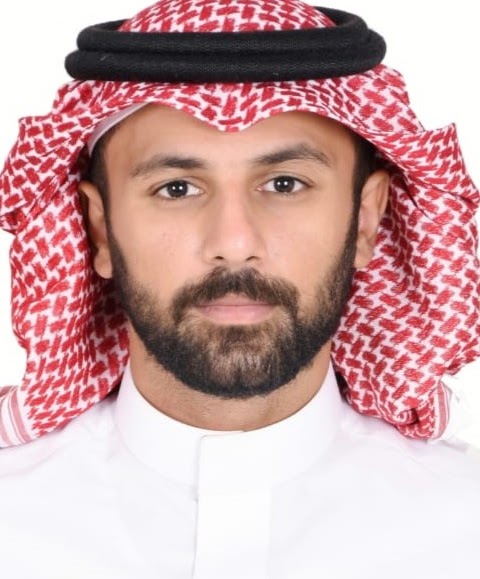
Dr. B Ratna Sunil

Dr. B Ratna Sunil

Associate Professor

Friction Stir Welding and AM

Dr. B. Ratna Sunil earned his PhD in Materials and has more than 15 years of experience in the fields of materials characterization and manufacturing processes. He is expert in XRD, electron microscopy, assessing mechanical properties, corrosion properties, surface characterization techniques. Sunil has been listed in world top 2% scientists from 2020 to 2025. Dr. Sunil has published more than 170 SCI/SCOPUS papers in international peer-reviewed journals and authored a book. He received several awards and recognitions and an Associate Fellow (elected, 2017) of Andhra Pradesh Akademy of Sciences, India. His research areas include developing medical implants, solid state joining processes, surface engineering of metals and alloys, nanostructured materials and Additive Manufacturing.

Dr. Muhammad Azhar Ali Khan

Dr. Muhammad Azhar Ali Khan

Associate Professor

Casting and AM

Dr. Muhammad Azhar Ali Khan is an accomplished researcher in advanced manufacturing, with expertise spanning AM, subtractive machining, metal casting simulations, and finite element analysis. His research contributions include pioneering work in Wire Arc Additive Manufacturing (WAAM), hybrid manufacturing systems, process optimization, and reliability assessment of engineered components. He has authored numerous high-impact journal and conference publications and holds multiple international patents in manufacturing technologies, cutting tools, compliant mechanisms, and sustainable engineering solutions. His work integrates computational modeling, experimental validation, and innovative product development.

Dr. Muhammad Jamil

Dr. Muhammad Jamil

Associate Professor

Hybrid Subtractive and AM

Dr. Jamil, Associate Professor at Prince Mohammad Bin Fahd University PMU, specialized in subtractive and Additive Manufacturing (AM), with a focus on precision machining, CNC processes, and advanced 3D printing technologies. His research explores material behavior, process optimization, and hybrid manufacturing to improve part quality and production efficiency. He bridges industry applications with academic research, mentoring students on design, toolpath strategies, and sustainable manufacturing practices. At AMRIC, he contributes expertise in developing cost-effective, high-accuracy fabrication solutions for complex additive manufacturing components.

Affiliate Members

Mr. Abdul Aziz Afzal

Mr. Abdul Aziz Afzal

Expertise: Hybrid Subtractive – AM Research

Mr. Abdul Aziz Afzal is a mechanical engineer and academic specializing in sustainable manufacturing, additive manufacturing, and life cycle assessment of advanced processes. His work integrates experimental testing, CAD/CAE, and AI-enabled LCA to optimize 3D printed and architected materials for high performance and reduced environmental footprint.

Postgraduate Research Scholars

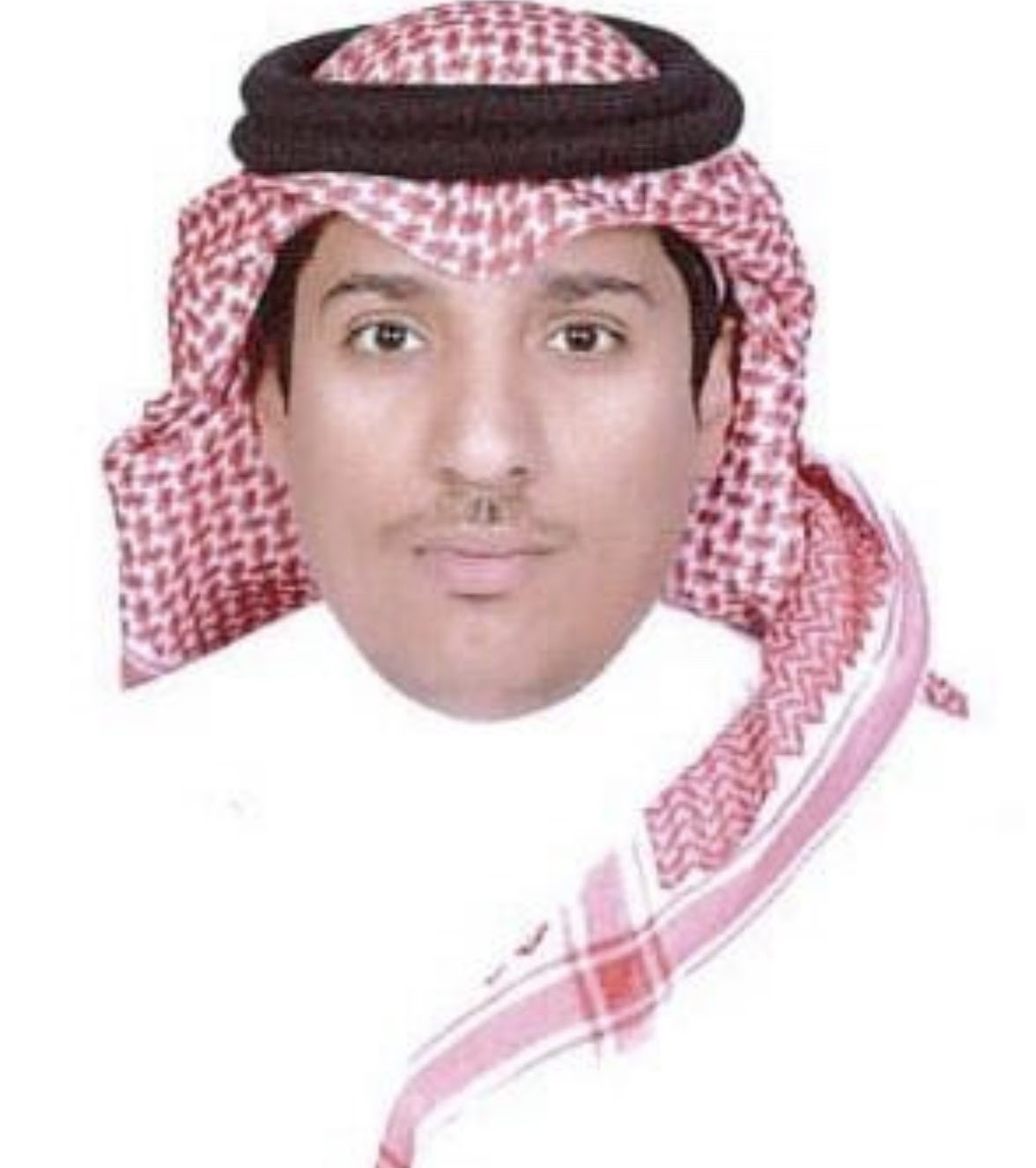
Mr. Meshal Alsaiar PhD Scholar

Mr. Meshal Alsaiar

Wire Arc Additive Manufacturing (WAAM) process enhancement to Design and Manufacture components for Aerospace and Oil & Gas Industrial Applications

Wire Arc Additive Manufacturing (WAAM) is one of the AM technologies capable of producing large-scale metal 3D-printed products. However, WAAM is a complex process where numerous manufacturing parameters influence the quality of the final product due to the development of residual stress during manufacturing. Mr Meshal's research will focus on understanding and analyzing the WAAM process parameters for materials such as titanium and other super alloys. The study aimed to enhance the manufactured product's mechanical and microstructural performance to develop products suitable for industrial applications in the aerospace and oil and gas industries .

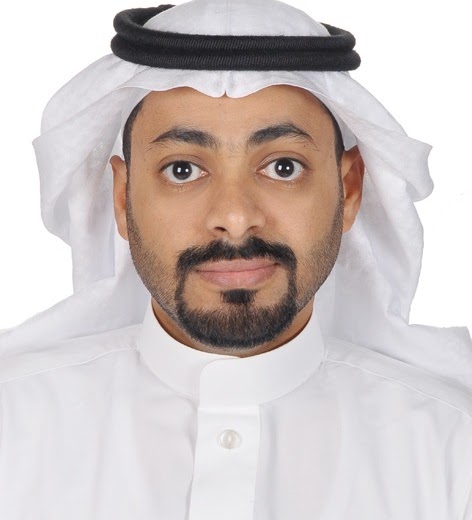
Mr. Yassar Essa Mukhrish PhD Scholar

Mr. Yassar Essa Mukhrish

Microstructural Control and Mechanical Enhancement of Superalloys during Wire Arc Additive Manufacturing (WAAM)

Wire Arc Additive Manufacturing (WAAM) represents a transformative technology in the field of 3D metal printing, offering high deposition rates and cost-effective production of large-scale components. Mr Yassar's research focuses on advancing WAAM processes through the optimization of process parameters, microstructural control, and defect minimization to enhance the mechanical and corrosion properties of fabricated parts. This work aims to address key challenges in WAAM, including residual stress management, surface quality improvement, and multi-material deposition strategies, with a particular emphasis on applications critical to the oil and gas, aerospace, and energy sectors.

Mr. Mohammed Mesfer H Alqahtani PhD Scholar

Mr. Mohammed Mesfer H Alqahtani

Microstructural and Mechanical Enhancement of Superalloys during Wire Arc Additive Manufacturing (WAAM)

Mr Mohammad's research focuses on advancing the capabilities of metal Additive Manufacturing (AM), specifically investigating the Laser Powder Bed Fusion (LPBF) processing of high-performance superalloys. The primary objective of my work is to establish systematic relationships between critical process parameters, such as laser power, scanning speed, volumetric energy density, and hatch spacing, and the resulting microstructural evolution of the printed components. By analyzing solidification behavior, grain morphology, and phase distributions, the research aims to minimize defects, optimize material density, and map out tailored processing windows that unlock the superior mechanical performance.

Mr. Abduljabbar Khamees A Hamdeen MS Scholar

Mr. Abduljabbar Khamees A Hamdeen

Wire Arc Additive Manufacturing (WAAM) of Nickel Based Super Alloys

Focused on pushing the boundaries of extreme-environment engineering, Mr Abduljabbar investigates Wire Arc Additive Manufacturing (WAAM) of Nickel-based superalloys. Their research centers on controlling microstructural evolution, suppressing solidification defects, and optimizing deposition strategies during the layer-by-layer fabrication of high-temperature metallic components. This work aims to deliver cost-effective, large-scale additive manufacturing solutions tailored for the demanding performance requirements of the aerospace, marine, and energy sectors.

Mr. Khalid Abdulrahman M Alsayed MS Scholar

Mr. Khalid Abdulrahman M Alsayed

Sustainable Wire Arc Additive Manufacturing (WAAM) of AISI 316L

Focused on bridging the gap between heavy industrial production and environmental responsibility, Mr Khalid investigates the Sustainable Wire Arc Additive Manufacturing (WAAM) of 316L Stainless Steel. Their research aims to optimize energy efficiency and material utilization during the layer-by-layer deposition of corrosion-resistant components, paving the way for greener, cost-effective additive manufacturing workflows in aerospace, marine, and automotive applications.

Mr. Mohammad Rafea S Alghamdi MS Scholar

Mr. Mohammad Rafea S Alghamdi

Design, Development and Testing of Temperature Control Setup for Wire Arc Additive Manufacturing (WAAM)

Mr Mohammad is a researcher specializing in advanced process automation and system integration. His work centers on the development, system integration, and experimental testing of a dedicated temperature control system for the WAAM process. By implementing closed-loop control and integrating thermal sensors into the substrate, Mr Mohammad's research addresses critical industry challenges regarding thermal accumulation, residual stress management, and geometric accuracy during continuous deposition. This work aims to establish robust, smart monitoring frameworks that ensure consistent microstructural quality and part repeatability in large-scale WAAM.

Technical Staff

Mr. Stephen John P. Limbos

Mr. Stephen John P. Limbos

Mr Stephen coordinates day-to-day technical operations and provides hands-on engineering support for advanced machining and Additive Manufacturing (AM) at AMRIC. He combines mechanical workshop expertise, machine tool operations, and engineering design with specialized skills in electronics prototyping, PCB layout, and Arduino/LabVIEW programming. Drawing from an extensive background managing instructional engineering labs and assisting institutional R&D frameworks at the Technological Institute of the Philippines (T.I.P.), Mr Stephen maintains core fabrication machinery, ensures experimental sessions run smoothly, and delivers vital technical assistance to faculty and students.

Get involved with AMRIC

We partner with industry, government, and academia to advance additive manufacturing research and innovation.